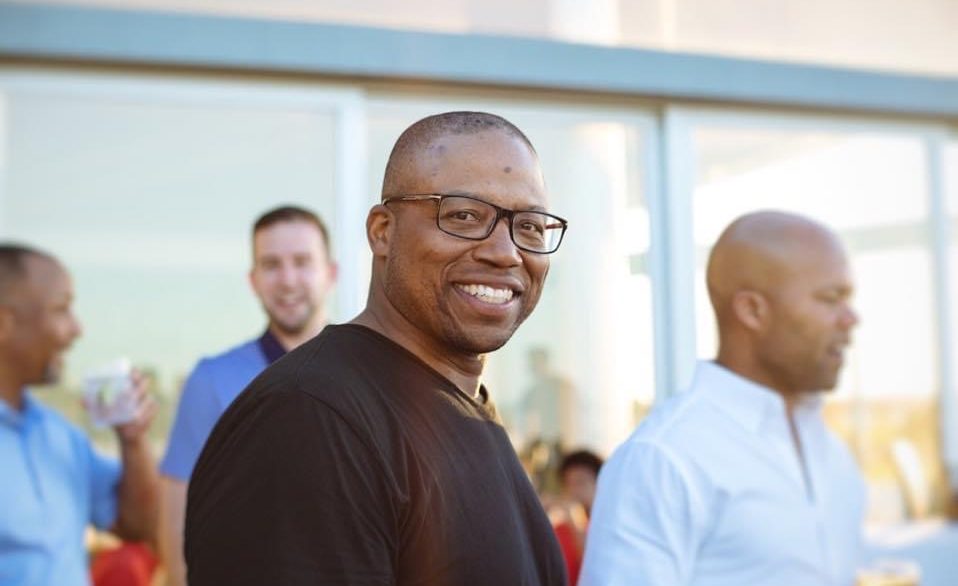
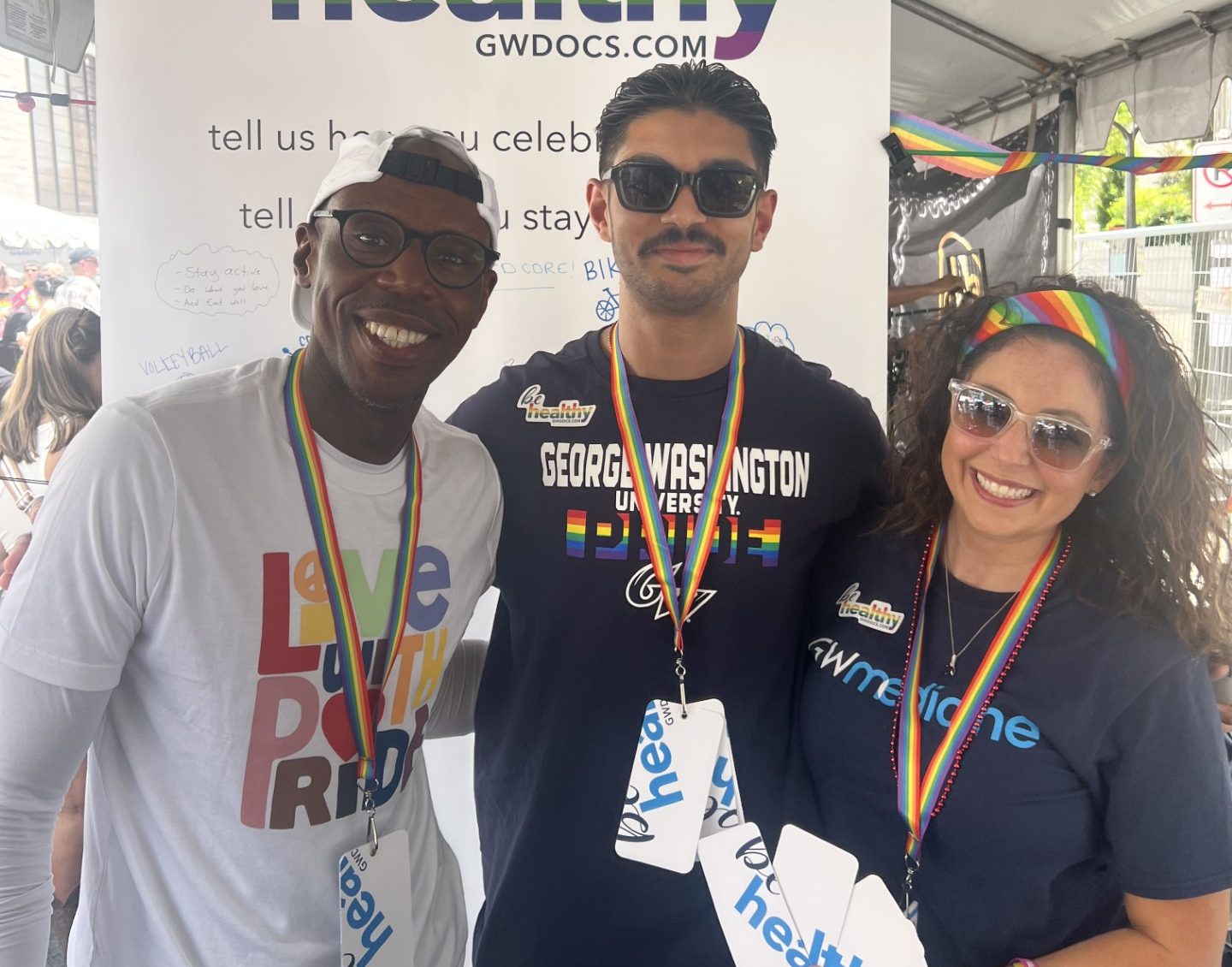
For years, Taha Nasir worked in some of the most polished buildings in Washington, D.C. The outpatient clinics he helped run on George Washington University’s campus were surrounded by law firms and offices spending small fortunes just on upkeep.
His patients lived a different reality, commuting into the city for life-saving cancer treatments, relying on public transportation, taking unpaid time off work, with limited access to resources at home that could support and enhance their health and wellbeing.
“We’re sitting in these very nice buildings, and for the people we’re here to serve, life is very different,” Nasir says. “There’s a stark duality between the two, and that’s something I often struggled with.”
That tension shaped his career, and it’s a big part of what inspired him to learn more about Columbia Community Care and eventually join the Board of Directors.
Seeing What Happens Outside the Exam Room
Nasir is a healthcare strategy and performance improvement consultant who previously oversaw oncology operations at the George Washington University Medical Faculty Associates, one of the largest physician practices in Washington, D.C. His role covered financial performance, strategy, and budgeting. But much of his time went to helping patients work through the barriers that stood between them and their care: housing insecurity, food insecurity, and transportation.
Many of his patients relied on the Metro. The closest station was a couple blocks away, and some patients struggled with mobility. Parking near campus could run $26 for a couple of hours, and the clinic didn’t validate it.
So Nasir worked on solutions. He led a project that secured $230,000 in funding to support an Uber Health initiative, providing transportation to medical appointments for pregnant persons and individuals managing chronic conditions.
He also made hard calls on patients’ behalf. Chemotherapy patients sometimes had temporary lapses in their Medicaid or Medicare coverage, often over a missing piece of paperwork. Rather than allow administrative barriers to interrupt their care, Nasir worked to ensure patients could continue receiving treatment while their coverage issues were resolved.
“I’d rather do that than deny care,” he said. The experience left a lasting mark. “Being in that space often opens some tough conversations, but I think it’s the most meaningful part of healthcare: being able to connect with patients who are the most vulnerable, at a really vulnerable point in their lives.”
The Hidden Need Close to Home
Nasir has lived in Columbia for more than 25 years and graduated from Wilde Lake High School. He sees the same gap he witnessed in D.C. playing out in his own community.
“When you think of Columbia, you think of Clarksville and the great schools and Howard County,” he says. “But people don’t intuitively think that people here are often struggling, and they’re struggling with many things, food insecurity being one of them.”
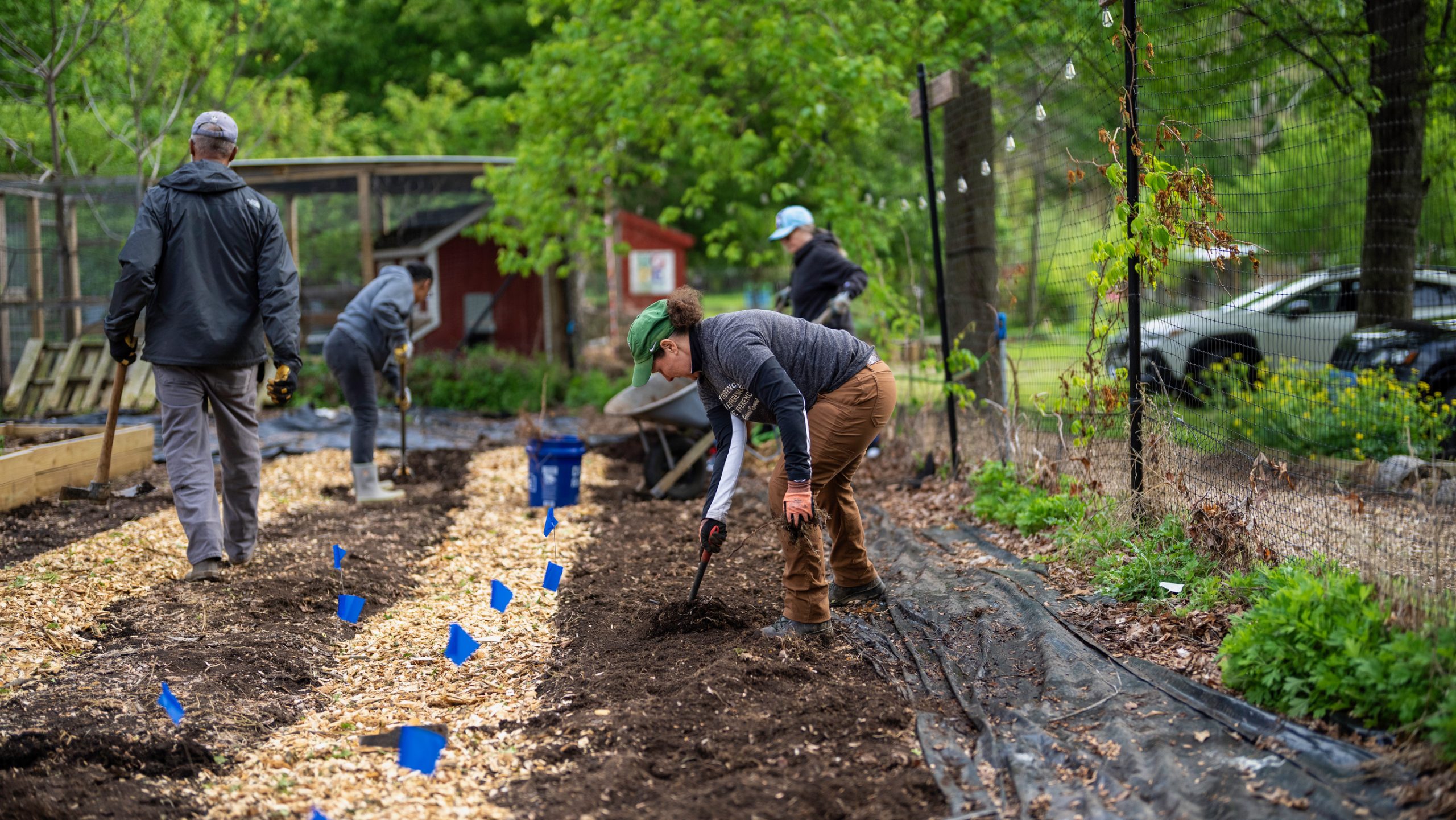
Howard County’s high cost of living makes that struggle harder to see. Many families earn too much to qualify for federal benefits but not enough to make a paycheck stretch to the end of the week. That gap is exactly where CCC’s no-barriers model makes a difference.
Nasir first heard about CCC years ago, when Founder and Executive Director Erika Chavarria’s original Facebook post began circulating. What struck him was how the organization came to be.
“A lot of nonprofits start from an intrinsic need or a personal experience,” he says. “Columbia Community Care formed as a response to a need the community itself expressed, which I thought was different and certainly unique.”
The Right Time to Give Back
In his current role in healthcare consulting, Nasir advises hospitals, health systems, and physician organizations on financial sustainability, operational performance, and workforce strategy. His work focuses on helping healthcare organizations navigate financial pressures while maintaining access to care in the communities they serve.
“We fundamentally keep patients first, because that’s our responsibility in healthcare,” he says.
The role also gave him something his D.C. job didn’t: time. Without a long daily commute, Nasir had time to give back. He emailed Erika to share his experience and interest, and she connected him with another CCC Board Member to talk about getting involved.
“I was familiar with the work for a long time,” he said. “It just aligned with the right time and place for me to invest some energy.”
From Sprint to Sustainability
Nasir joins the board at a pivotal moment. CCC has grown rapidly over the past five years, recently added staff, and is looking ahead to opening The Source, a community resource facility in the former Columbia Flier Building.
“I think they’re making the transition from the sprint growth of the early years to long-term strategic planning, and then incremental growth from there,” he says. “My aim is to learn, support, and see how I can aid in that stabilization and then growth.”
Nearly every organization Nasir has worked for has been a nonprofit, and he brings deep experience in operations and strategy at large institutions. Still, he describes himself as coming in ready to listen.
“I’m excited to learn a lot and be able to contribute my perspective,” he says, “alongside the really talented board members I’ve met already.”
Beyond the Boardroom
When he isn’t helping hospitals stay open, Nasir is usually at the gym or out on a run. A longtime weightlifter, he took up running about a year and a half ago, and laughs that he struggled to run a mile his first time out. Since then, he’s finished a half marathon and is training for the Bay Bridge 10K, with a full marathon on the horizon.
He’s also an avid reader, mostly nonfiction, and is enjoying reading for pleasure again after finishing grad school. And he shares his home with Cubby, a three-pound Chihuahua named for his habit of tucking himself into the cubbies of Nasir’s bookshelf.