Howard County is regularly ranked one of the wealthiest counties in the country. Which is why many people are surprised to learn that hunger and food insecurity exist in their communities, and that their neighbor or friend might be skipping meals so their kids don’t have to.
Here’s what’s actually going on — and what local nonprofit Columbia Community Care is doing about it.
1. Hunger Here Is Hiding in Plain Sight
Howard County’s food insecurity doesn’t look like what most people picture. The cost of living is high here, and many working people are stretching from paycheck to paycheck, making impossible choices when it comes to deciding between paying for housing, a car repair, daycare, medicine, or groceries.
The county’s own community needs assessment names food access as one of the top five issues facing residents. And with rising food costs, more and more families are skipping meals in order to pay other bills. Food is the thing that gets cut.
2. It Started With One Facebook Post
In March 2020, when schools shut down and free/reduced meal programs disappeared overnight, Howard County Spanish teacher, Erika Chavarria posted in a local Facebook group asking if anyone needed food.
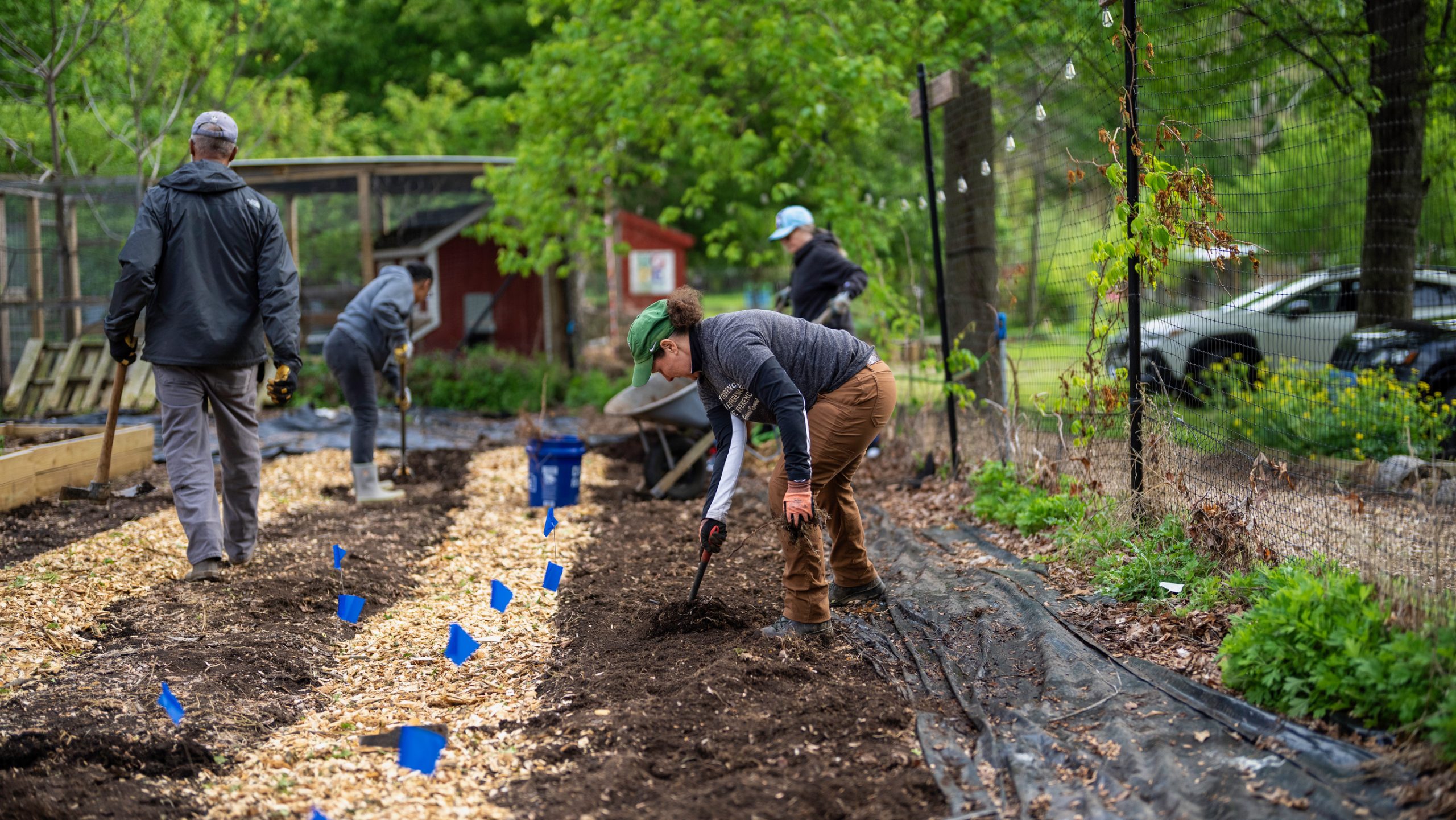
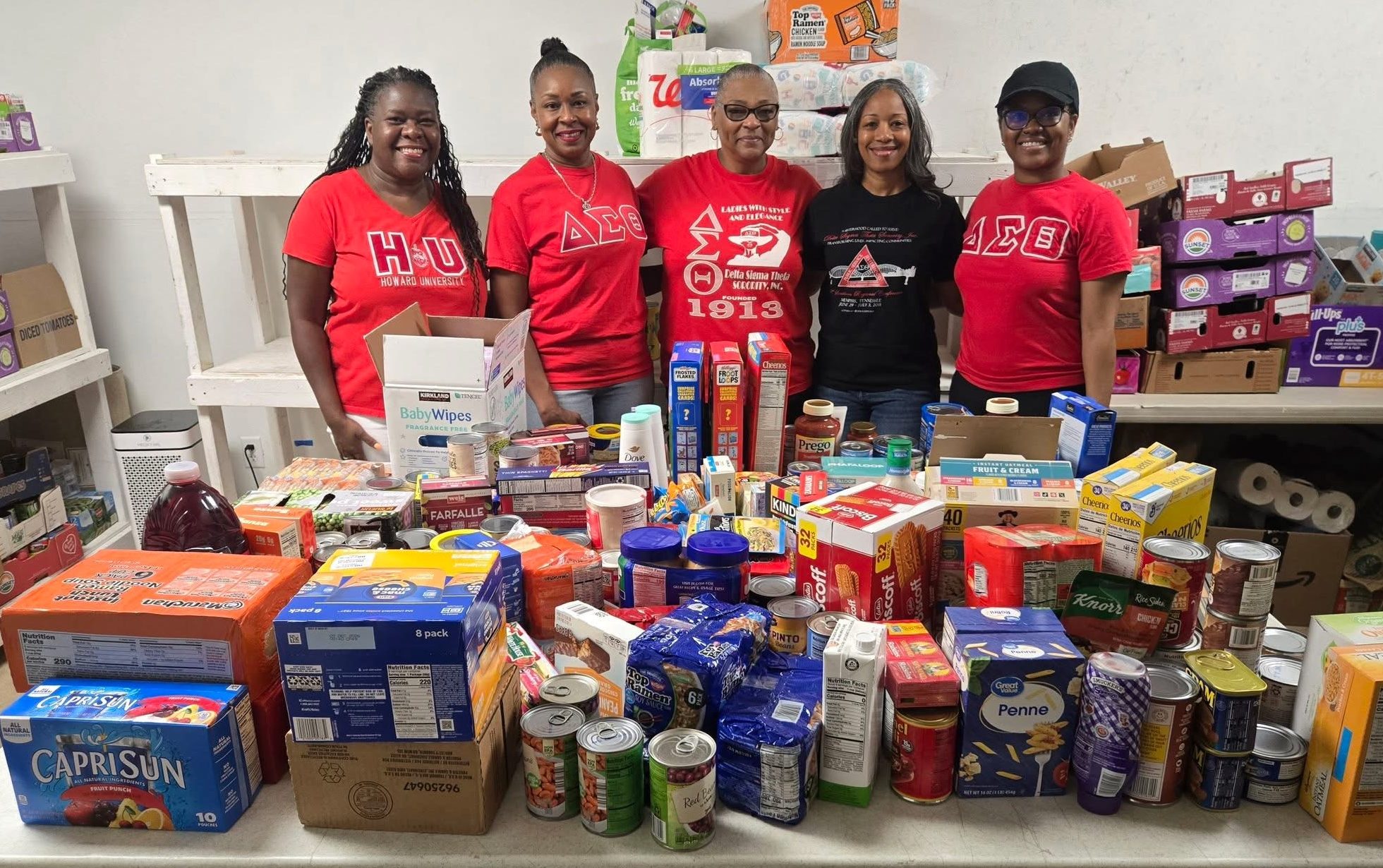
People said yes, and they kept showing us. That single post turned into Columbia Community Care (CCC), which now operates three food distribution sites across Columbia, powered completely by volunteers.
3. Maintaining Dignity without Barriers
Most food assistance programs require proof of need and an application for help. While there are many good reasons for this, it also means some people fall through the cracks: undocumented residents, people uncomfortable filling out forms, or families who earn just slightly too much to qualify for other help but not nearly enough to absorb a crisis.
CCC doesn’t ask any questions. Anyone can walk up to a distribution site and leave with food — no explanation required, ever.
4. It Takes a Village — Literally
CCC isn’t working alone, and it isn’t competing with anyone. It’s one part of a coordinated referral network alongside the Howard County Food Bank and the Community Action Council (CAC). Families move between all three regularly, depending on what they need and what feels accessible to them that day.
As one longtime local nonprofit partner put it: it takes all different types of organizations to solve a problem like this.
5. This Is About More Than Food
For Erika, the work has never just been about groceries. It’s rooted in a simple belief: if one person in this community is struggling, we all are. That is why CCC also runs programs that support young people, like the PUSH Program for high school boys and a Volleyball clinic for middle & highschoolers. CCC is also an official partner of the STAND Mentorship for young men, hosts events in partnership with the Restorative Justice Partnership, and works with local grassroots organizations that are tackling the root cause issues of hunger, poverty, and economic inequality. CCC recognizes that hunger is just one symptom of bigger community issues.
The Bottom Line
Hunger in Howard County is often invisible but it can be solved when neighbors show up for neighbors.
You can be part of that. A financial gift to Columbia Community Care goes directly toward keeping the shelves stocked at our local food distribution sites and supporting our mission.