Rising Food Costs and Soaring Demand Are Straining CCC’s Hunger Relief Efforts
When April Lee first started volunteering at Columbia Community Care (CCC) during the early days of the COVID-19 pandemic, she thought she was signing up for a few months of purchasing food and supplies to donate while recovering from double knee replacement surgery.
That was five years ago.
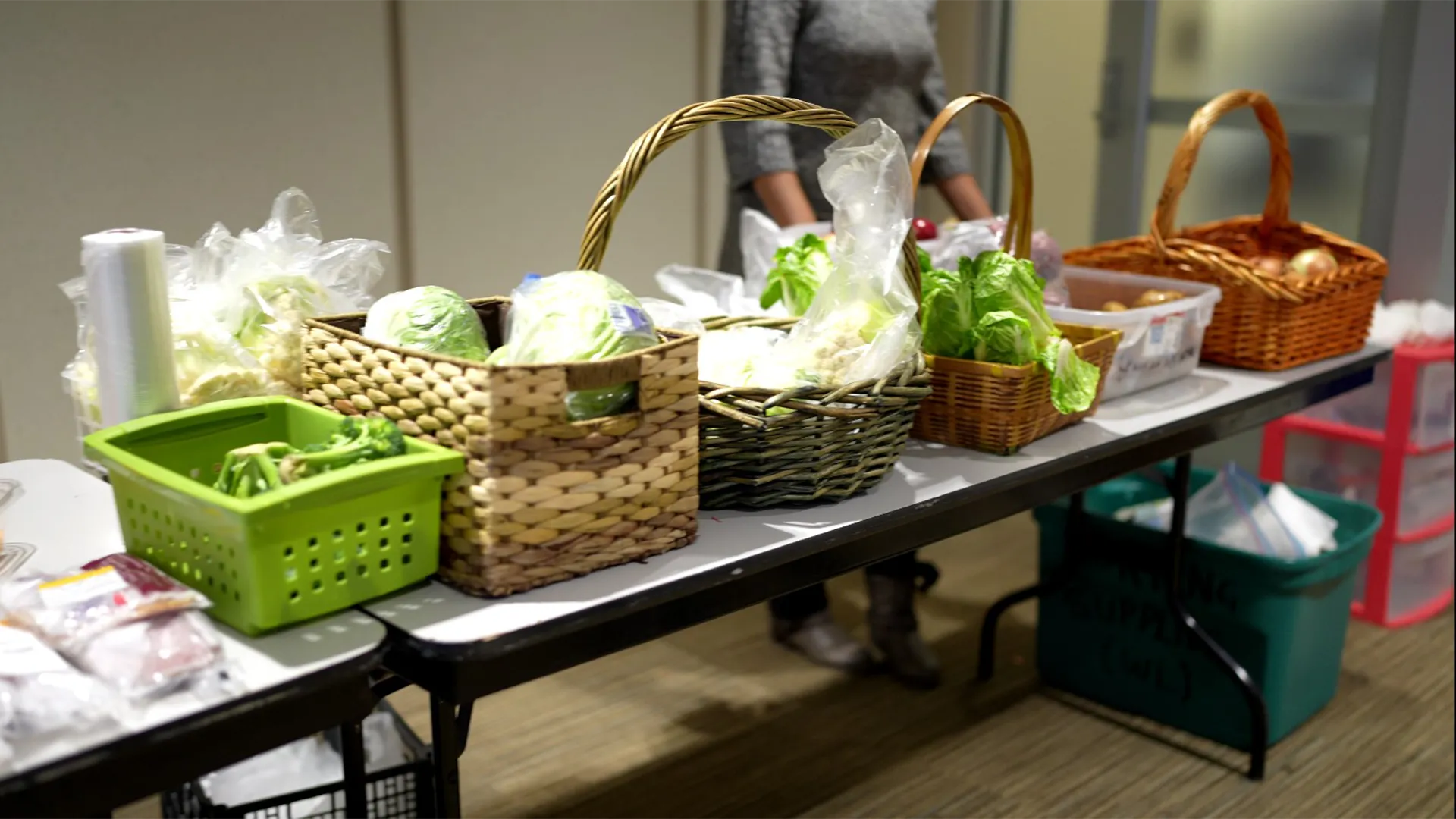
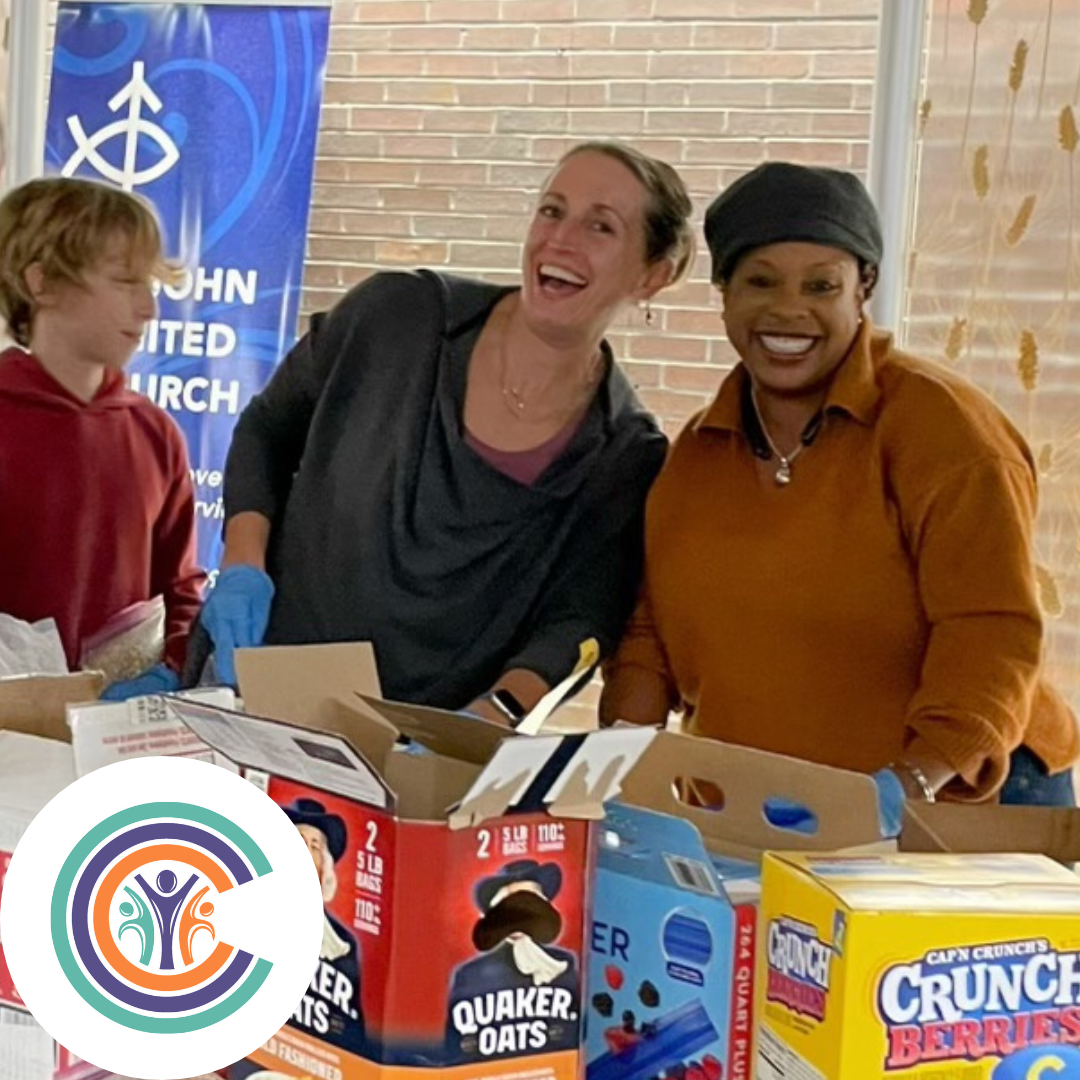
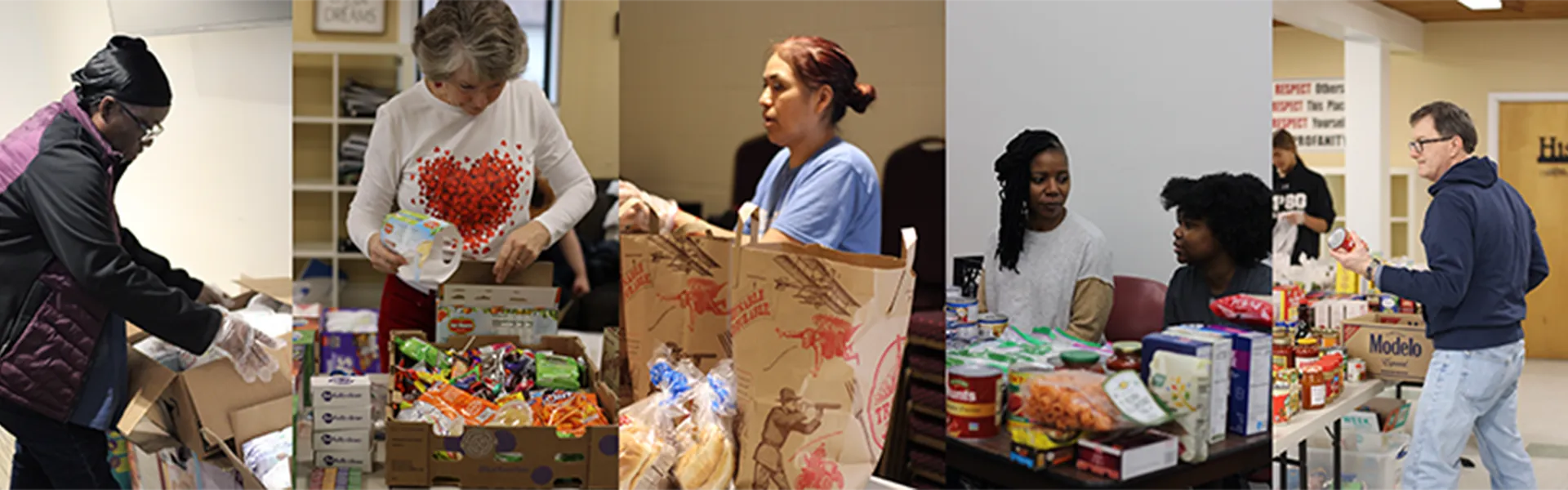
Today, April directs CCC’s food pantry operations, overseeing everything from receiving and distributing food donations to the three Saturday sites, working with farms and stores for weekly donations of bread, produce and dairy items, purchasing and restocking 3 days a week, and managing 50-60 volunteers (including pickup people, sorters, translators, shoppers, and pantry supervisors).
She has her finger on the pulse of CCC’s work—and right now, she’s sounding the alarm.
“It used to take 6 or 7 weeks for us to get a backlog of around 150 orders. Now we get that in about 48 hours,” she said. “Demand isn’t just creeping up, it’s exploding.”
The Numbers Tell the Story
April is not exaggerating. CCC currently serves around 350 families each week, which translates to an estimated 1,500 people. But the real challenge isn’t just the number of people in need, it’s the steep rise in costs required to serve them.
“Three years ago, it cost us, on average, about $50 to serve one family,” April explained. “Now, it’s closer to $70-$75.”
That increase is driven in part by the relentless rise in grocery prices. According to the U.S. Bureau of Labor Statistics, the Consumer Price Index for food-at-home increased 3.2% over the past year, on top of double-digit increases in 2022 and 2023. Some items are rising even faster: ground beef is up over 10% from a year ago, and other staples like coffee, eggs, and baby products are also significantly more expensive than they were pre-pandemic.
“These are essentials for our families,” April said, adding that she has already had to stop purchasing baby formula due to cost. Now she’s eyeing other painful cuts. “We may have to stop offering coffee. We’re out of tampons and period products. The rising cost of beef may force us to stop buying it. If we can’t keep the shelves stocked, then we may have to cut our hours or reduce our deliveries.”
A Broken System of Support
What makes CCC different is also what makes fundraising harder: they don’t collect detailed data from the families they serve.
“We don’t ask people to prove they’re in need,” April said. “That’s part of how we protect their dignity and privacy. But it also means we’re often ineligible for major grants that require that kind of reporting.”
The result? A volunteer-run organization now has to spend more than close to $4,000 per week to keep up with demand—while trying to fundraise, restock, and recruit volunteers in a post-pandemic world where support has dwindled.
April is deeply aware of the stakes. Many CCC clients are seniors or working families who fall through the cracks of more traditional systems, and disabled residents who don’t qualify for other food benefits. Some are afraid to visit food banks at all due to immigration enforcement concerns. And in some cases, those who once donated to CCC are now clients themselves—hit hard by job losses, rising healthcare costs, and increasing rent expenses.
“We serve people whom no one else serves,” April said simply. “If we stop, where will they go?”
Beyond Groceries
CCC does not just provide food; they also provide necessities such as paper towels, toilet paper, diapers, laundry detergent, and personal hygiene products. Some of these can be the hardest to keep on the shelves.
“We are always running out of the large size diapers and pull-ups for toddlers” April said. “Donations of smaller size diapers are wonderful, but babies only stay in small diapers for a short time. Older babies and toddlers are in size 5 or 6 diapers for much longer.”
She also says baby wipes and feminine products are in high demand. These items are costly to purchase, and many families rely on CCC for these essentials.
What Drives April to Help
Despite the stress, April hasn’t slowed down. She volunteers more than 40 hours a week while also caring for her 96-year-old mother. She says her motivation is simple: “It has to be done.”
“I’ve always been service-driven,” she said. A trained personal chef, April expanded her personal chef service in 2016 to make and deliver free meals to homebound seniors and never looked back. “I believe in doing whatever I can for as long as I can. I believe that everyone can help in their own way.”
Now, she’s urging others to step up too, by donating food, giving financially, volunteering, or just spreading the word about CCC.
“We need people talking about CCC. We need people giving money, time, food, connections, however they can help. We can’t afford to stop.”
How You Can Help
Columbia Community Care urgently needs:
- Financial donations to cover rising operating costs
- High-need items: proteins (canned tuna, peanut butter, beans), breakfast cereal, size 5–6 diapers and pull-ups, baby wipes, and period products
- Volunteers for deliveries and pantry operations
- Advocates and connectors to help find new funding sources