The first time Roxana Segovia-Beltran participated in a circle, she was in her 20s and living near Los Angeles. A friend invited her to join, and she gained so much from the experience she continued attending every week for almost a year.
The circle followed four simple principles: speak spontaneously, speak leanly, speak from the heart, and listen from the heart. Each week, participants would write open-ended questions, pull one from a hat, and take turns answering.
Roxana remembers, “Something about the ‘speaking spontaneously’ and just allowing that vulnerability to go through, I felt like that wall began to break down and my true self began to shine.”
For someone who struggled to speak as a child, finding her voice in that circle shaped everything that followed. “I learned that I had a voice and I didn’t realize that before,” she says. It’s a strength she carries today as the founder of Gardyn-Doulah, where she teaches people how to grow gardens—not just to nurture plants, but to nurture their own spirits.
Permaculture, she explains, is an indigenous philosophy about building relationships with the land and learning to work with nature instead of against it. With over 17 years of gardening experience and dual permaculture design certificates, Roxana has worked in community gardens at Howard Community College and Forested, a permaculture education site, alongside hundreds of volunteers growing produce for food access programs.
“I think people have a way of giving up, getting disheartened,” she says. “They’re like, ‘Oh no, I killed the plant. That means I’m going to kill everything.’ And then they give up.” Through design services, coaching and monthly workshops, Roxana addresses not just the mechanics of gardening, but the mindsets that lead to self-fulfilling prophecies. “We can plant seeds, but if we’re not believing that these seeds will grow and then we’re kind of just giving up and forgetting about the plant, then it’s going to die.”
She uses visualization and mindfulness techniques to help people shift their perspective. One participant took Roxana’s 12-week “Visualizing the Garden Within” series. “She’ll tell me, ‘I became a different person. All of a sudden I’m gardening, all of a sudden I feel myself capable of this,'” Roxana says. “And there’s like this joy—every time I see her she’s like, ‘Oh my god, my garden.'”
In December, Roxana brought her two worlds together, facilitating a Circle for Those Who Mother themed around seasons of rooting and growth.
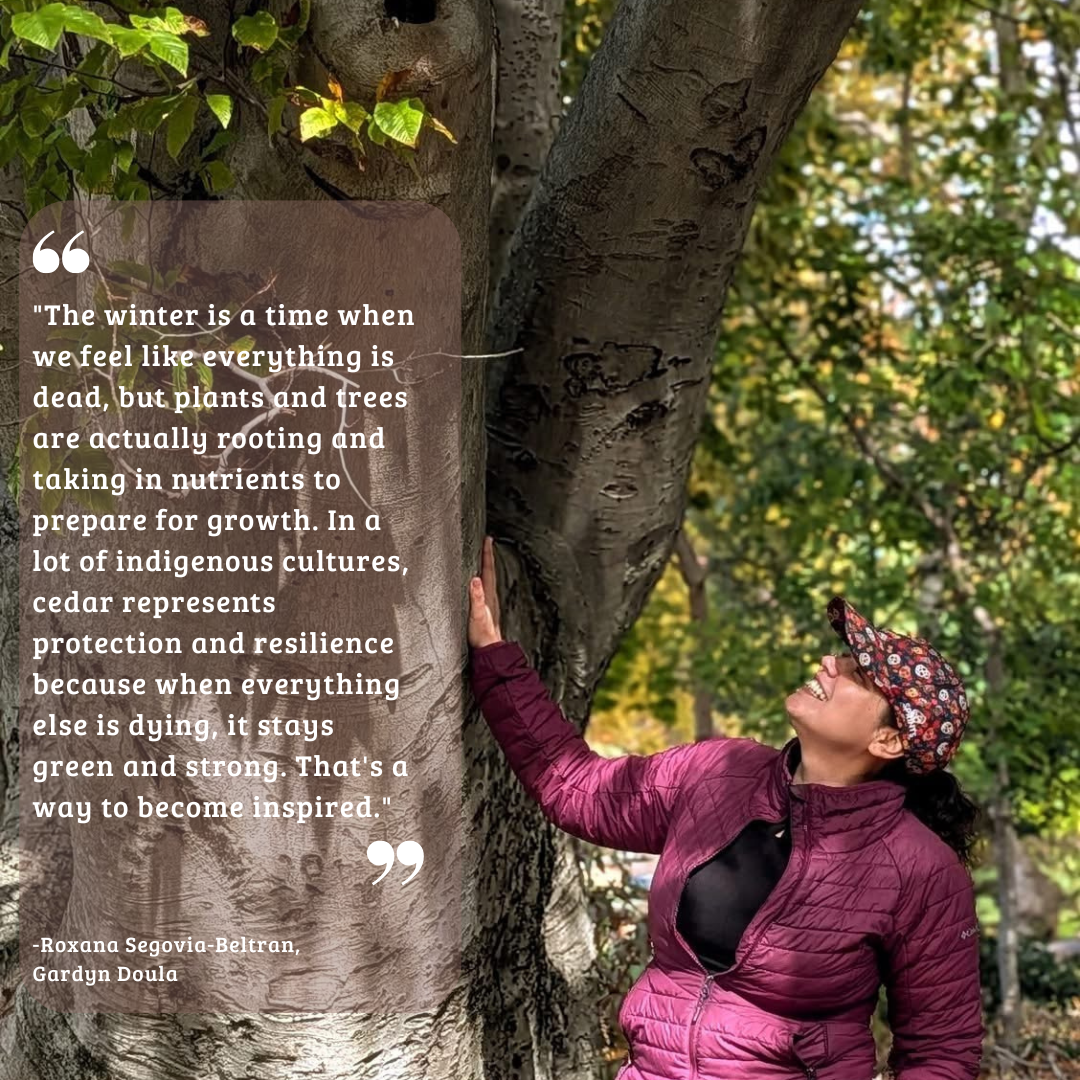
“The winter is a time when we feel like everything is dead, but plants and trees are actually rooting and taking in nutrients to prepare for growth,” she explains. The circle focused on this through conversation and meditation, with participants crafting small bundles of cedar branches. “In a lot of indigenous cultures, cedar represents protection and resilience because when everything else is dying, it stays green and strong,” Roxana says. “That’s a way to become inspired.”
For Roxana, circles offer something that even close relationships can’t always provide. “I think sometimes they’re too close, if you tell them something they’ll try to give advice or try to fix you, and it’s like, no, I don’t want to be fixed, I just want to say this.” In the circle, no one responds with opinions or solutions. “We just say and then we walk away.”
“It’s emotional; I’ve cried,” she says. “But I’ve also realized that I am not alone in my feelings. Everyone feels these things. I’m not crazy.”
Participants often leave with what Roxana calls a “glow”. Lighter, refreshed, feeling heard and understood. “I always leave feeling refreshed more than anything, knowing that I have a place where I can be authentic and be myself.”
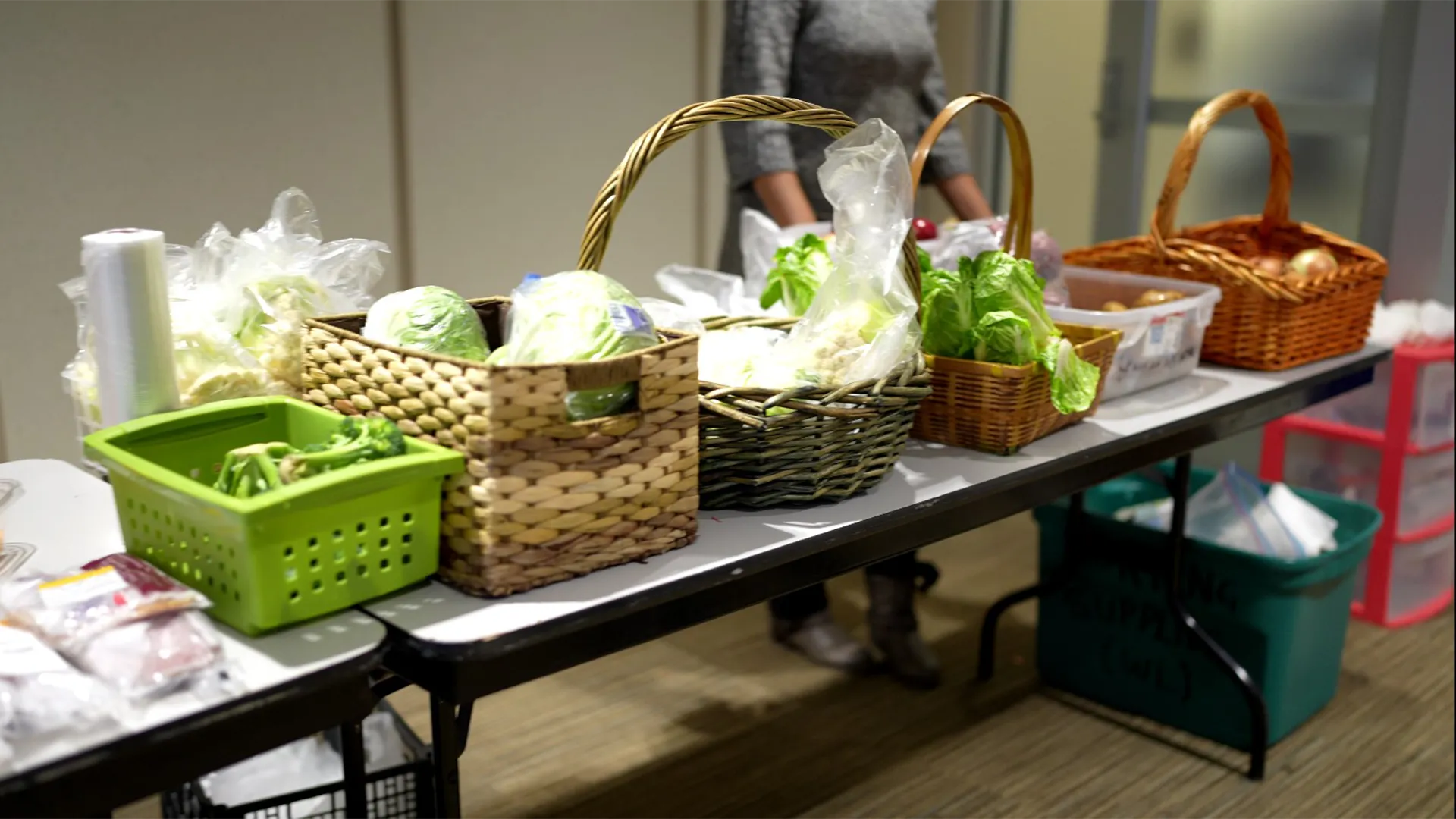
The Circle for Those Who Mother, hosted by Columbia Community Care in partnership with Restorative Justice Partnership, meets once per quarter. Childcare and food are provided. About 12-20 women typically attend, with a mix of regulars and new faces each time. No past experience is expected, and participants are welcome to simply listen and be present—no one is called upon to speak if they don’t want to.
The next Circle for Those Who Mother will be announced soon! To stay informed, follow Columbia Community Care on Facebook or Instagram, or check out the community calendar at columbiacommunitycare.org.
Roxana offers monthly gardening workshops, garden design and coaching through Gardyn-Doulah. Learn more at www.gardyn-doulah.com.